How does an Optimised Enhanced Partnership join up the customer experience?
An Optimised Enhanced Partnership can give passengers a single network experience while Operators retain fare revenue. The Authority leads the proposition, procures the common platform and governs growth through a commercial partnership.

People search for
In this article
In a conventional Enhanced Partnership, each Operator sets fares, receives fare revenue and manages much of the customer relationship. Passengers may have to piece together a journey from several separate propositions.
An Optimised Enhanced Partnership gives the Authority control of the customer layer while Operators continue to run commercial services and retain fare revenue.
The model defines responsibilities between the Authority and Operators. Operators retain commercial control, so it is not franchising.
Join up the customer experience
Current guidance expects multi-Operator information, a Bus Passenger Charter and multi-Operator ticketing. An EP scheme can also require a network identity and a single app for information. The Optimised model puts an operating service behind those requirements.
A Managed Ticketing Service Supplier can run the app, payment infrastructure, back office, product clearing, customer service and reporting. The Authority manages the service, and Operators receive revenue attributable to their journeys under agreed apportionment rules (how revenue is split between Operators).
Give the proposition a clear owner
The proposition should be part of Partnership and Commercial Management. A Head of Bus or Partnership Lead is accountable for it, while a Customer Proposition and Growth Lead manages it day to day.
| Role | Principal responsibility |
|---|---|
| Head of Bus or Partnership Lead | Owns the proposition, outcomes and major investment decisions |
| Customer Proposition and Growth Lead | Owns the roadmap, growth plan, pipeline and cross-Operator coordination |
| Managed Ticketing Service Manager | Manages the Supplier, payment service, retail channels, settlement and service levels |
| Data and Performance Lead | Maintains shared measures, insight and independent evidence |
| Operator Commercial Leads | Own Operator fares and revenue and deliver agreed initiatives |
A smaller Authority may combine roles, provided one person remains accountable.
Apply commercial discipline the Authority does not own
The Authority must make the market easier to use and bring Operators together around the opportunity.
It should segment passengers by journey needs and barriers. It should manage information, retail, ticket acceptance and recovery, and form partnerships with employers, education, healthcare, events and visitor organisations.
The Authority should maintain a single Patronage Growth Plan and opportunity pipeline. For each initiative, record the problem, participating Operators, expected journeys, cost, dependencies and method of measurement. The Authority can fund common infrastructure, with Operators co-funding commercial initiatives.
The partnership then has a single portfolio, and Operators retain commercial judgement.
Make the commercial settlement work for Operators
Operators will resist a platform that adds costs and weakens their customer relationship. The commercial structure must address both issues.
The Authority should fund the Managed Ticketing Service as network infrastructure. Operators retain fare revenue under agreed apportionment, and card-scheme and acquiring costs remain linked to their revenue. Document settlement, fraud and chargeback responsibilities.
Network branding must retain a visible place for Operators. Agree co-branding, customer-data access, reporting rights and change control.
Measure shared growth
The Authority needs network insight. It cannot treat Operator customer records as its own. Define the data to be shared, its purpose, frequency and privacy controls.
The Growth Lead tracks patronage, adoption, repeat travel, contacts, reliability and initiative impact. Reporting should assess the proposition and apportion journeys while avoiding excessive commercial disclosure.
IDInsight provides a common performance view. OneContact reveals customer barriers, TellUs identifies safety concerns and the Managed Ticketing Service supplies retail and settlement evidence.
Move from agreement to operation
The Authority and Operators should take five practical steps to put the arrangement into operation.
Step 1: Define the outcome. Agree the common experience, the Operator-specific elements and measures of success.
Step 2: Draft the right instruments. Put the strategy in the EP plan, binding commitments in the EP scheme and Supplier obligations in the separate Managed Ticketing Service contract.
Step 3: Settle the commercial rules. Agree ticket acceptance, revenue apportionment, costs, data, co-branding and change control, then complete the competition assessment.
Step 4: Complete the statutory process. Undertake Operator review and objections, consultation and the statutory competition test in Schedule 10 to the Transport Act 2000. Then make or vary and publish the EP.
Step 5: Mobilise and govern. Integrate systems, test journeys and train teams. Hold monthly reviews, a quarterly Growth and Innovation Forum and an annual review.
Know the boundary
Operators retain fare revenue and risk. The Authority cannot compel every route to continue, dictate every service-level fare or assume full ownership of Operator customer data and brands.
Within that boundary, the Authority and Operators must agree matters the Authority cannot direct.
Useful questions
Before adopting an Optimised Enhanced Partnership, an Authority should ask:
- Which parts of the customer experience will the Authority specify and fund across all Operators?
- Who owns the customer proposition and the network-wide Patronage Growth Plan?
- How will fare revenue, transaction costs and multi-Operator journeys be apportioned?
- What data is needed to manage the common proposition without exceeding the agreed purpose?
- Which decisions require Operator agreement, and what happens when that agreement cannot be reached?
More on Franchising & Procurement Strategy
Franchising & Procurement StrategyArticleHow to build a bus franchising business case that can withstand scrutiny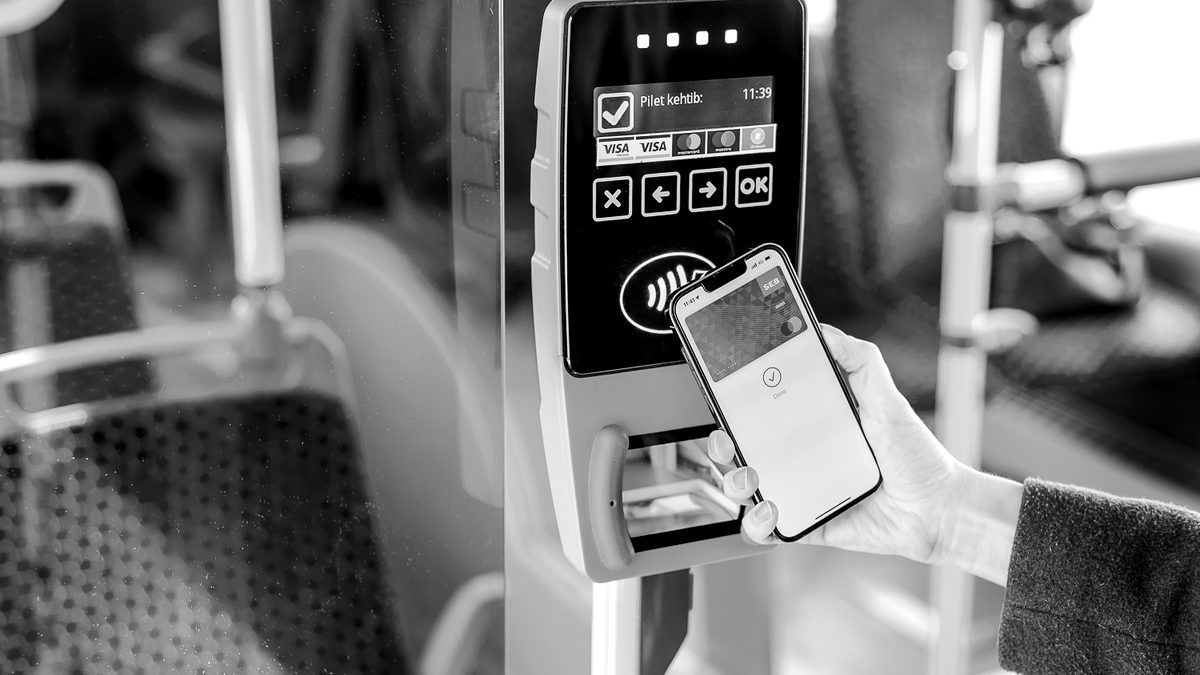 Ticketing & Payment TechnologyArticleWhat happens to the ticketing app once nobody needs to buy a ticket?Franchising & Procurement StrategyArticleIs your organisation ready to run a bus network, not just award bus contracts?