Practical thinking for Authorities and Operators shaping public transport. Browse by category below for articles of interest and downloadable whitepapers. Use the search function across All Topics.
Filter resources
Showing 43 of 43 resources
PublicationFeatured
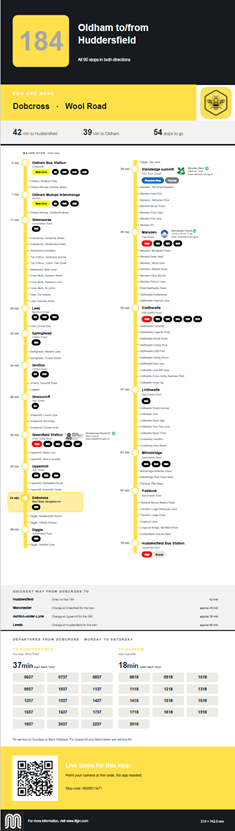
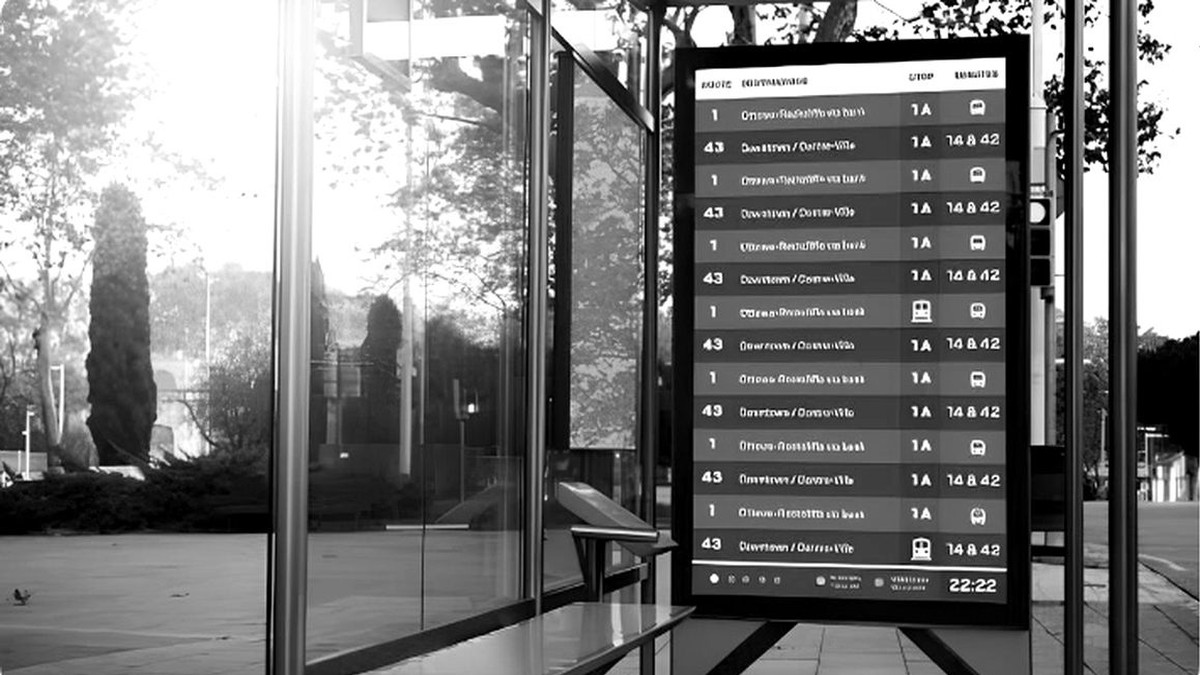
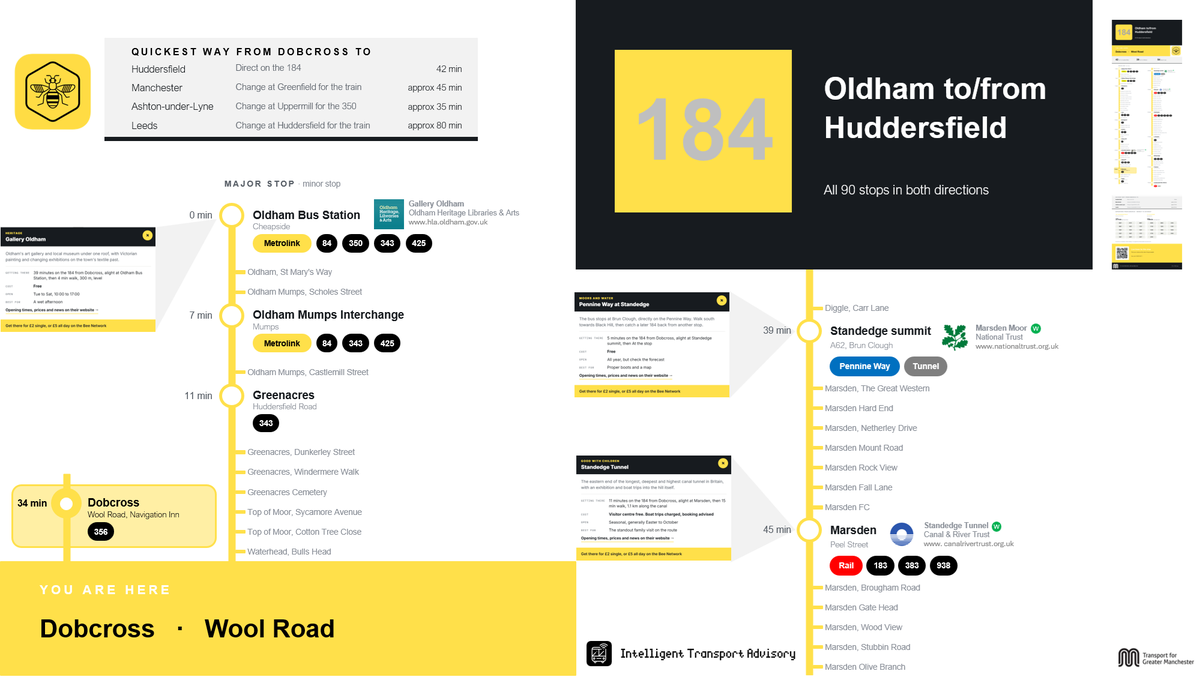
The Overlooked Asset: Redesign of Bus Stop and Station Information Panels as a Way to Grow Patronage
Improving bus stop and station timetable panel information as a key component of a digital first customer strategy and a way to grow patronage.
Article8 min read
Franchising & Procurement Strategy
How bus franchising works: a practical guide for UK Authorities
A step-by-step guide to UK bus franchising under the Bus Services Act 2017: assessment, audit, consultation, decision and implementation.
Which commercial disciplines does a franchising Authority need?
An Authority carrying fare-revenue risk needs the customer, product, revenue and investment disciplines of a commercial enterprise, applied within clear public-service guardrails.
Is your customer contact centre budget solving the problem or hiding it?
When an Authority assumes responsibility for customer contact, a call centre can look like the obvious answer. It is worth testing the demand before that assumption becomes a fixed cost.
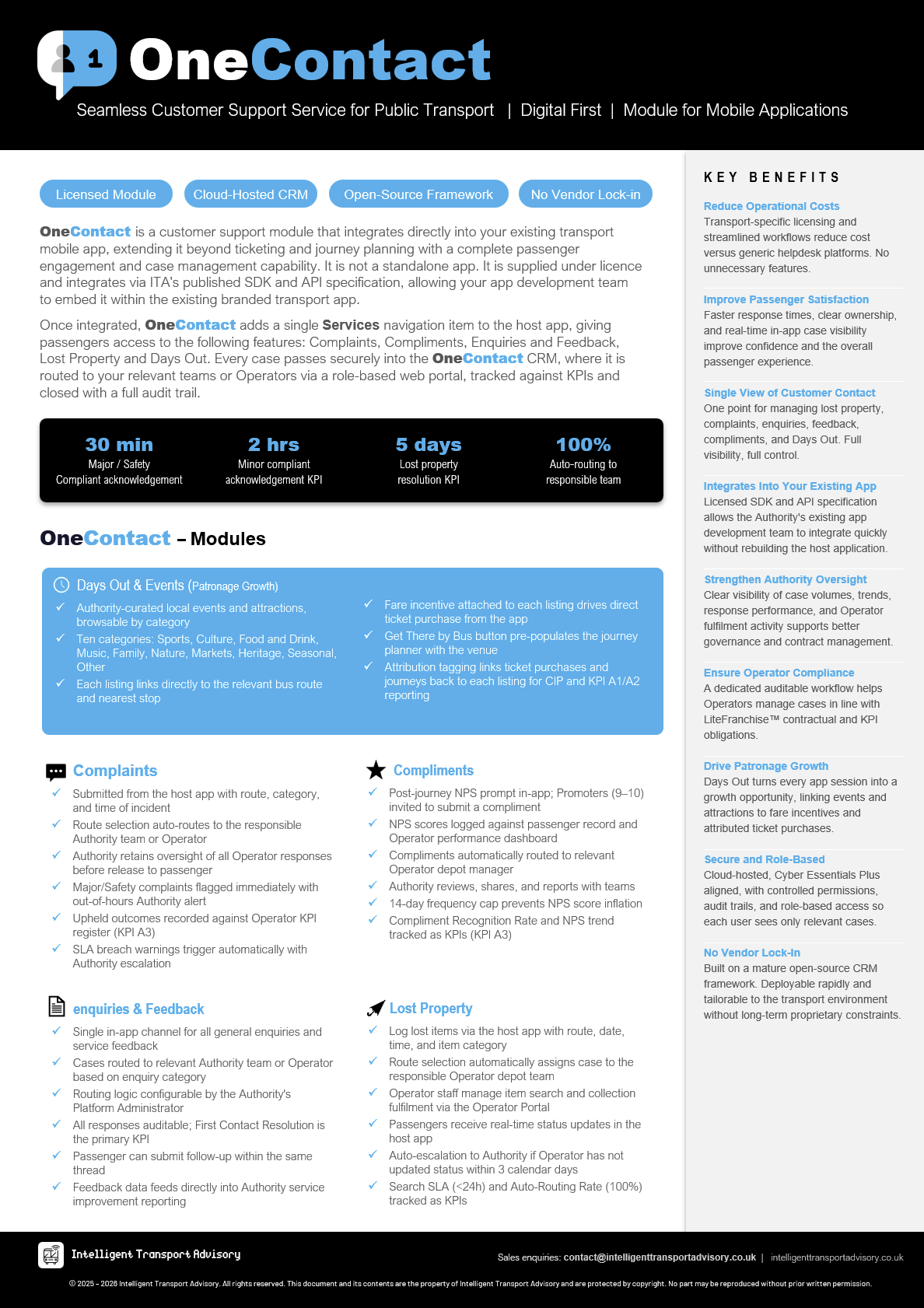
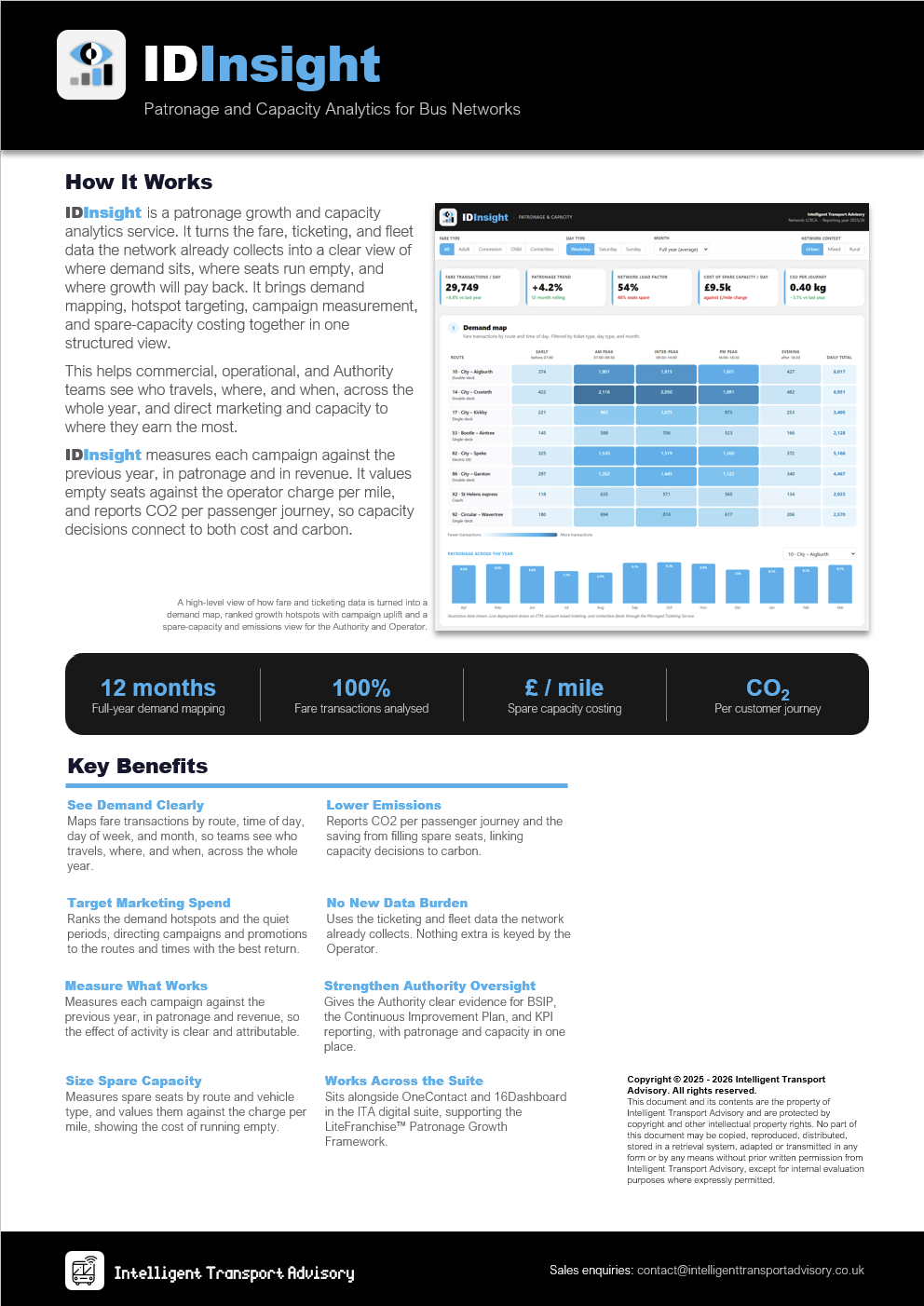
A passenger may plan a journey on a map, buy a ticket in your ticketing app, tap in, read a stop display and make a complaint. An Authority needs to know what each interaction records, who holds it and what may properly be joined up.
Digital passenger services need reliable IT delivery. The Authority function accountable for the passenger journey should set their day-to-day priorities.
How does an Optimised Enhanced Partnership join up the customer experience?
An Optimised Enhanced Partnership can give passengers one network experience while Operators retain fare revenue, but it requires the Authority to lead the proposition, procure the common platform and govern growth as a commercial partnership.
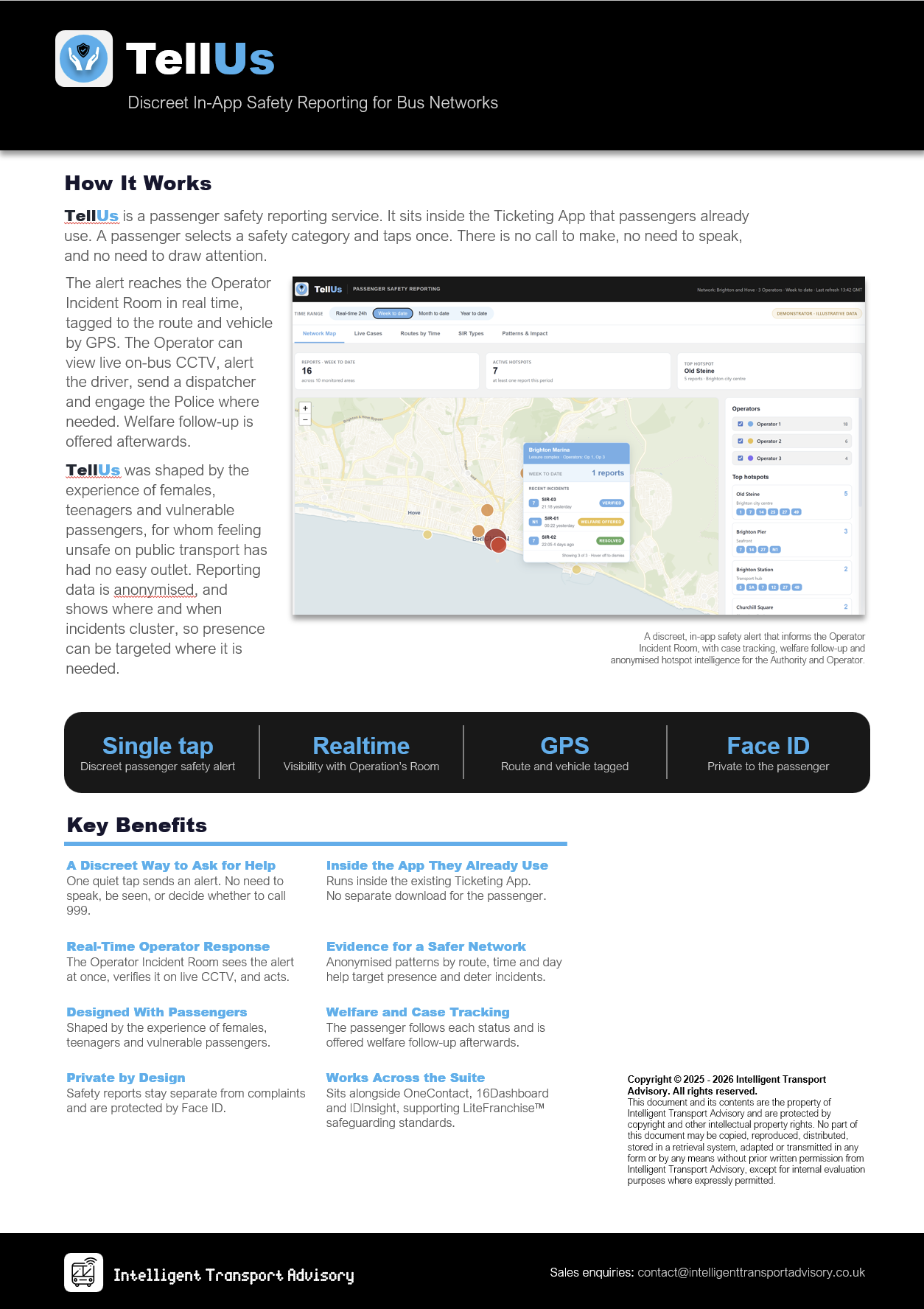
A discreet, in-app safety alert that informs the Operator Incident Room. Designed from the real experiences of females, teenagers and vulnerable passengers.
Article4 min read
Customer Service & Contact
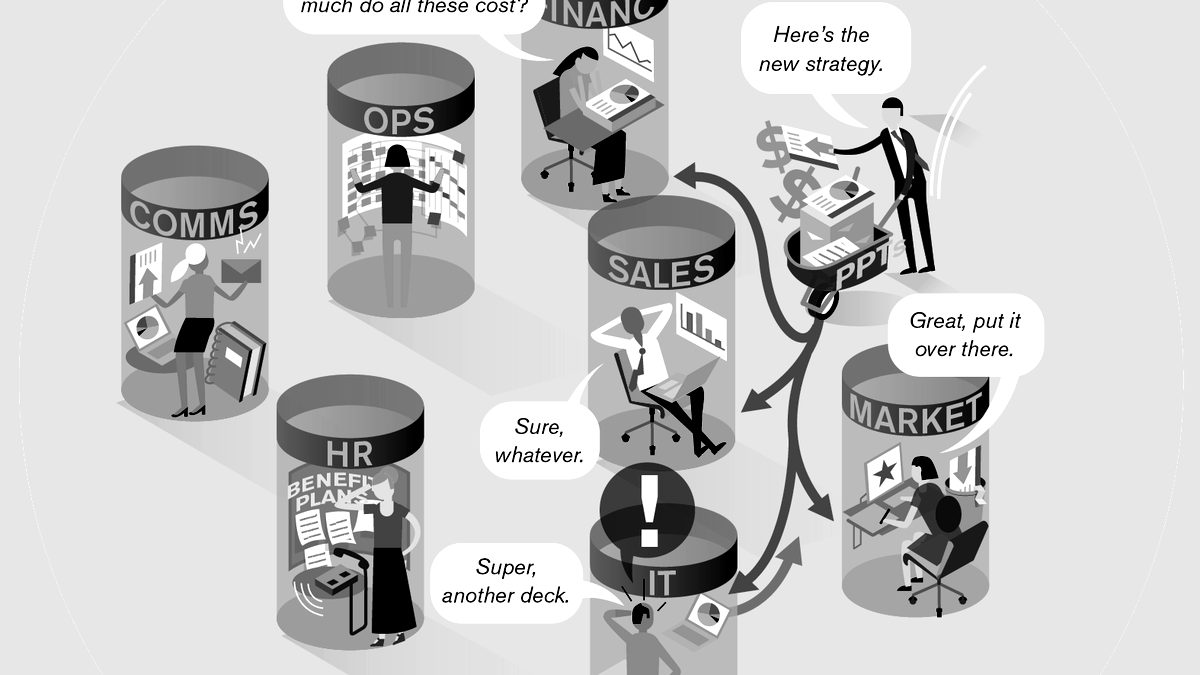
Is your call centre solving problems or just recording them?
Contact-centre demand can expose weak passenger information, a failed journey or a task that genuinely needs a person. An Authority must tell the difference before trying to reduce calls.
A Simple Guide to Bus Technology: Getting it Right for Your Customers
A blueprint for Transport Authorities to plan, choose, and manage the technology that powers a great transport service.
Article7 min read
Data & GovernanceFranchising & Procurement Strategy
Is your data strategy built for compliance or for growth?
Publishing open data and meeting reporting deadlines are necessary. They do not tell an Authority which route, journey or customer problem is worth investing in.
Launch day shows that a new bus network can start. Its reputation is shaped in the months that follow, as the Authority addresses defects, data gaps and passenger issues that mobilisation did not expose.
Can a conventional Enhanced Partnership grow patronage?
A conventional Enhanced Partnership can improve common standards, but each Operator retains its fare revenue, products and customer relationship, leaving the Authority to coordinate growth across several propositions.
Patronage first: who is paid to grow the franchised bus network?
Under a gross-cost franchise, the Authority normally retains the fare revenue. The contract should still give the Operator a practical role and a meaningful reason to help grow it.